

Updated: 4 days ago

Common Wine Myths Debunked: 8 Myths Worth Understanding
Wine myths. You’ve heard them a thousand times. When wine is served, myths are often part of the conversation. The thing is, some of these myths have been around for so long that they are widely considered common knowledge. It turns out that most popular wine myths are simply untrue. And that’s OK! Wine myths are part of wine’s lore.
Knowing more about wine is a big part of enjoying it, and it is so complex that you never stop learning. So, here are the most common wine myths debunked. Have you ever heard about these?
1. Expensive wines always taste better
Are expensive cars better than inexpensive ones? A $300 chef's knife is incredible, but if you're just slicing strawberries for you kid's lunchbox, is it necessary? The same goes for wine: expensive bottles are great for special occasions, but they’re not necessarily the best choice for everyday drinking.
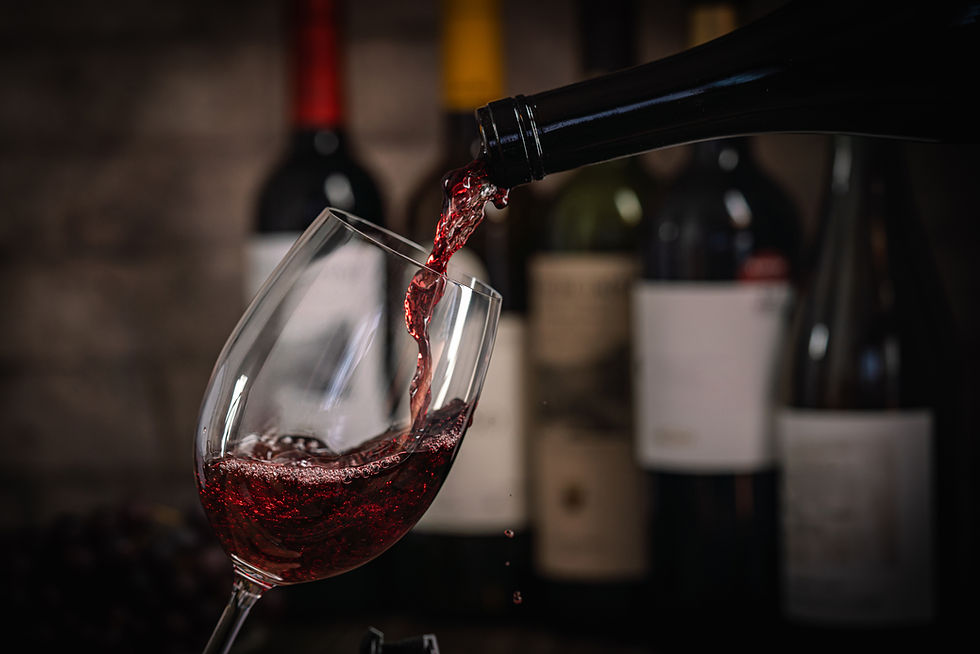
Some wines are expensive because they are rare, prestigious, or both. Of course, they are often of high quality, meaning they are complex, balanced and capable of aging gracefully. Nevertheless, too much complexity and age-worthiness can be overwhelming, especially for inexperienced palates. Besides, what tastes better for one person is different for another.
2. The older the wine, the better it is
Only a small percentage of wine is made to age. For a bottle to withstand the test of time, it must have unique characteristics, such as high concentration and incredible balance between alcohol, tannins, acid and sugar, if any. Making these wines is difficult and expensive.
Most white wines are best while they’re still young, and many red wines show their best within the first few years after release. A regular bottle of wine will only taste worse as time goes by. And even the finest wines eventually pass their peak. Nevertheless, tasting a truly age-worthy wine at its peak, perhaps decades in the future, is a noteworthy experience.

3. Screw-cap wines are cheap or low quality
Screw caps are frowned upon, but they really shouldn’t be. They’re arguably more environmentally friendly and less expensive than cork, and they do their job just fine: keeping air out of the bottle.
Uncorking a bottle of wine is a romantic tradition. On special occasions, the cork itself is even a nice souvenir. Screw caps will never replace corks when it comes to tradition. However, from a practical standpoint, they work just as well. Today there are plenty of high-quality wines under screw caps, and more producers are choosing this convenient closure every year.

4. Red wine should never be paired with fish
This is partially true. Red wine is a wonderful pairing for red meat, because the tannins in the wine, those gritty particles that cause that dryness in your mouth, bind with fats and proteins, making every bite more enjoyable. The same tannins can clash with the oils in fish, resulting in a less pleasant pairing.
Nevertheless, not all red wines are tannic. In fact, silky red wines made from thin-skinned grape varieties, such as Pinot Noir and Gamay, pair beautifully with fish, especially with fatty varieties like salmon, tuna and anchovies. Our article on The Art & Science of Pairing Wine with Food: A Masterclass is a great way to learn more about pairing food with wine.

5. Sweet wines are low quality or only for beginners
Sweet wines are often popular with people who are new to wine because they’re already accustomed to sweet beverages. We’re surrounded by sugary soft drinks, and, let’s face it, we love them.
This makes sweet wines the perfect entry-level wine style. That said, sweetness in wine is unrelated to quality. In fact, some of the most expensive and highly coveted wines on earth are sweet, including legendary German Rieslings, rare sweet Chenin Blanc wines from France’s Loire Valley, and, of course, dessert wine specialties such as Sauternes and Tokaji.

6. If a wine is corked, it's because bits of cork fell into the bottle
Wine is an agricultural product, and as such, it may have some defects or be outright flawed. Heat can damage wine, and so can excessive contact with oxygen. Both problems are far more common than cork taint. Corked wine, though, is the defect we talk about the most. In fact, very few wine bottles are actually corked.
Corked wine is caused by a compound called TCA, which can contaminate natural cork. Although it was a much bigger issue a few decades ago, improvements in cork production have made cork taint far less common today. Your wine is probably corked if the fruit aromas are muted or missing altogether, and the wine smells musty, like damp cardboard or a wet basement.

7. Red wine should never be chilled
To enjoy a bottle of red wine, you must serve it at the right temperature. Too warm, and the alcohol will be overwhelming due to evaporation. Too cold, and the wine aromas will appear muted. Typically, red wine is best served between 50°F and 65°F (10°C - 18°C). Full-bodied wines are best served at the warmer end of the range.
However, the ideal serving temperature depends on the wine and the occasion. You’ll want to chill your wine for a few minutes before serving if you are hosting an outdoor dinner party in summer. Check out our guide on how to store wine at home for more information.

In reality, you can serve young, fruity red wine a little colder, as it doesn’t have such a complex aromatic profile. Well-aged wines benefit from being served a little warmer, allowing their aromas to fully develop.
8. Sulfites are responsible for most wine headaches.
Sulfites are compounds found naturally in wine that also act as preservatives. Winemakers often add small amounts to protect the wine from oxidation and spoilage.
Some people indeed have a negative reaction to sulfites. In fact, around 5-10% of people with asthma may be sensitive to sulfites. If you believe you might be allergic, talk to your doctor before drinking wine. However, if you know you’re not sensitive to sulfites and wake up with a headache after a wine dinner, chances are you simply drank too much. Stay hydrated!

Now You Know
Wine is indeed a complex drink, and it’s incredibly varied as well. However, there’s nothing mysterious about it. For every question, there is a reasonable answer. That said, there’s plenty of science behind it, though. So, if you want to learn more about wine, you’ll probably end up learning a bit about everything, from different countries’ cultures to climate, winemaking and agriculture.
The best thing about wine is that you learn something new from every bottle. Wine myths are meant to be debunked, and they also make excellent conversation starters. Cheers!

Thanks for these tidbits. I already knew some of this but some I didn't. I love wine, even the screw cap on ones. Lol
Oh, I thought some of these were true! Thank you for explaining